
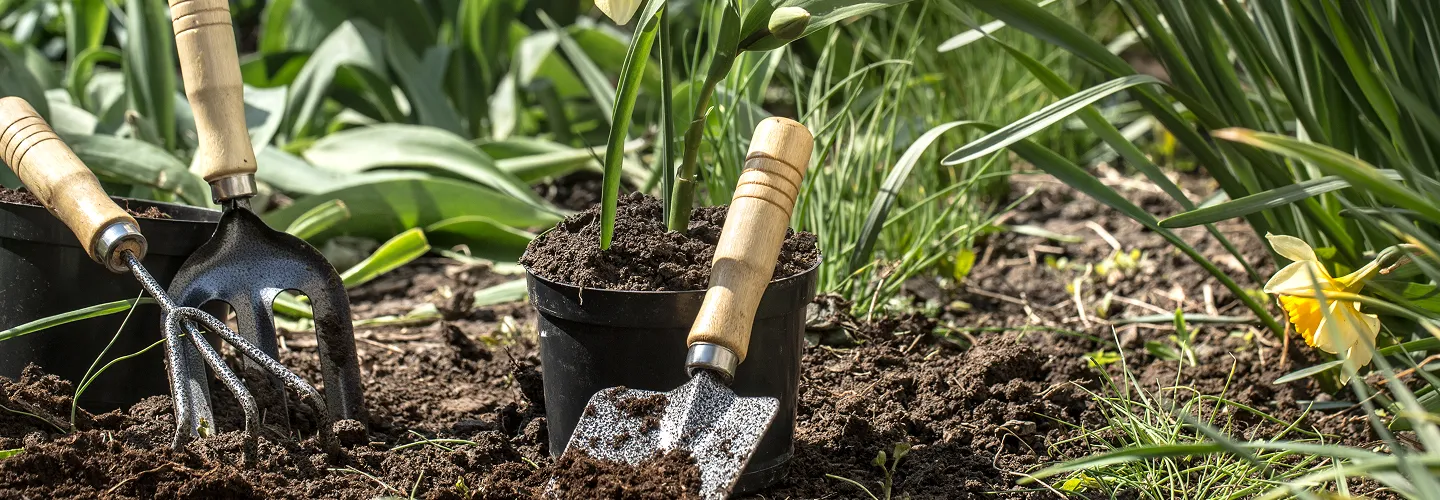
Orange Lawn Installation Services
Choose our Lawn Installation for expert craftsmanship, premium materials, and a commitment to creating vibrant, healthy lawns that enhance your home's beauty and value for years to come.
Get a Free QuoteOur Orange Landscaping & Yard Care Services
When to Schedule Lawn Installation in Orange, Connecticut – Seasonal Guide
Choosing the right time for lawn installation in Orange, Connecticut is essential for achieving a lush, healthy yard that thrives year-round. The best periods are typically early spring and early fall, when soil temperatures are moderate and rainfall is more consistent. These seasons allow new grass to establish strong roots before facing the summer heat or winter frost. In neighborhoods like Turkey Hill and near the Race Brook Country Club, local microclimates and shade from mature trees can also influence the ideal installation window.
Orange’s climate features cold winters and warm, humid summers, with frost dates usually ending in late April and returning by late October. Homeowners should consider factors such as soil composition—often a mix of sandy loam and clay in this region—along with the risk of summer droughts and the prevalence of shaded areas from dense tree coverage. For more information on local environmental guidelines, visit the Town of Sudbury’s resource page.
Local Factors to Consider for Lawn Installation in Orange
- Tree density and shade coverage, especially in areas like Silverbrook Estates
- Terrain slope and drainage, which can affect water retention
- Average precipitation and risk of summer droughts
- Soil type and pH, common to Orange’s residential neighborhoods
- Municipal restrictions or watering schedules
- Proximity to landmarks such as the Orange Fairgrounds, which may influence microclimates
Benefits of Lawn Installation in Orange
Expert Landscaping Services
Premium Quality Sod
Fast and Efficient Installation
Customized Lawn Solutions
Competitive Pricing
Local Orange Area Specialists
Orange Lawn Installation Types

Sod Installation
-
Hydroseeding
-
Artificial Turf Installation
-
Overseeding Existing Lawns
-
Native Grass Planting
-
Sprigging and Plugging
-
Erosion Control Lawn Solutions
Our Lawn Installation Process
Site Evaluation
Soil Preparation
Lawn Installation
Watering and Initial Care
Why Choose Orange Landscape Services
-
Orange Homeowners Trust Us
-
Expert Lawn Maintenance
-
Reliable Scheduling
-
Competitive Pricing
-
Professional Team
-
Satisfaction Guarantee
-
Personalized Service
Orange’s Glacial Till Soils and Drainage Considerations for Lawn Installation
Lawn installation in Orange, CT requires careful assessment of local soil conditions, which are predominantly glacial till—rocky, stony, and moderately acidic (pH 5.5-6.5). These soils often exhibit poor drainage, with seasonal water tables as shallow as 12-18 inches. Before installation, it is recommended to conduct a soil test through UConn Extension (typical cost: $15-25) to determine pH and nutrient needs. Common amendments include:
- Lime application for pH below 6.0
- Compost incorporation: 2-3 inches tilled to 6-inch depth
- Core aeration to 2-3 inches for compaction relief Research site-specific soil series using the USDA Web Soil Survey to guide amendment strategies. Proper grading is essential to prevent water pooling and ensure compliance with Orange’s drainage ordinances.
Orange Department of Public Works
617 Orange Center Road, Orange, CT 06477
Phone: (203) 891-4712
Official Website: Orange Department of Public Works
Seasonal Timing and Weather Guidance for New Lawns in Orange
Orange is located in USDA Hardiness Zone 6b, with optimal lawn installation windows in spring (April 15–May 30, soil temp 50–65°F) and early fall (August 20–September 30). Avoid seeding or sodding during June–August due to heat stress and increased drought risk. The National Weather Service New York, NY Office provides local forecasts and soil temperature data to guide timing. Key timing recommendations:
- Spring seeding: April 15–May 30
- Fall seeding: August 20–September 30
- Fertilization: Early May and September for cool-season grasses
- Avoid installation before first frost (typically late October) Monitor rainfall and irrigation needs closely during establishment, as Orange’s late summer droughts can impact seedling survival.
Municipal Lawn Installation Standards and Permit Requirements in Orange
All new lawn installations in Orange must comply with municipal codes regarding grading, drainage, and property line setbacks. The Orange Building Department requires permits for major grading or soil disturbance exceeding 500 square feet, with a standard application fee of $50 and a review period of 7–10 business days. Setbacks from wetlands are enforced at 25 feet, and all work must avoid encroachment on public rights-of-way. Equipment operation is permitted:
- Monday–Friday: 7:00 AM–7:00 PM
- Saturday: 8:00 AM–6:00 PM
- Sunday and holidays: Prohibited Permit applications and code guidance are available through the Building Department.
Orange Building Department
617 Orange Center Road, Orange, CT 06477
Phone: (203) 891-4713
Official Website: Orange Building Department
Environmental Compliance: Wetland Buffers and Stormwater Management in Orange
Lawn installation projects in Orange must adhere to local and state environmental regulations, including the Connecticut Environmental Protection Act and federal Clean Water Act. The Orange Conservation Commission enforces a 25-foot no-disturbance buffer from wetlands and prohibits fertilizer or pesticide application within 50 feet of water bodies. Orange is an MS4 community, requiring that no grass clippings or soil enter storm drains per EPA Phase II. Compliance steps include:
- Maintain 25-foot wetland buffer
- Use biodegradable erosion controls on slopes
- Schedule work to avoid heavy rain events
- Dispose of debris per town guidelines
Orange Conservation Commission
617 Orange Center Road, Orange, CT 06477
Phone: (203) 891-4731
Official Website: Orange Conservation Commission
Connecticut Department of Energy and Environmental Protection
79 Elm Street, Hartford, CT 06106
Phone: (860) 424-3000
Official Website: Connecticut Department of Energy and Environmental Protection
Species Selection and Turf Recommendations for Orange’s Microclimate
Selecting turf species adapted to Orange’s climate and soil is critical for long-term lawn health. Recommended cool-season grasses include Kentucky bluegrass (Poa pratensis), perennial ryegrass (Lolium perenne), and fine fescue (Festuca spp.). For shaded areas, ‘Midnight’ Kentucky bluegrass and creeping red fescue are preferred. Planting rates:
- Kentucky bluegrass: 2–3 lbs/1,000 sq ft
- Perennial ryegrass: 4–5 lbs/1,000 sq ft
- Fine fescue: 3–4 lbs/1,000 sq ft Use certified seed and avoid invasive species. For detailed guidance, consult UConn Extension and reference the USDA Plant Hardiness Zone Map.
What Neighborhoods Do We Serve Throughout Orange, CT?
- Turkey Hill: Characterized by rocky glacial till soils and moderate slopes, requiring soil amendment and erosion control for successful lawn establishment.
- Racebrook: Features larger lots with mature trees, leading to increased shade and leaf litter; shade-tolerant turf species and regular debris management are essential.
- Silverbrook Estates: Newer development with compacted fill soils and efficient drainage systems; soil aeration and organic matter incorporation improve turf establishment.
- Peck Place: Proximity to wetlands and conservation areas necessitates strict adherence to buffer regulations and careful fertilizer application.
- Indian River Area: Low-lying properties near the Indian River face periodic flooding and require flood-tolerant turf varieties and raised grading.
- Orange Center: Historic district with mixed soil types and older infrastructure; attention to property line setbacks and coordination with municipal guidelines is required.
- Grassy Hill: Elevated terrain with well-drained soils but increased wind exposure, making irrigation and seed anchoring important during establishment.