
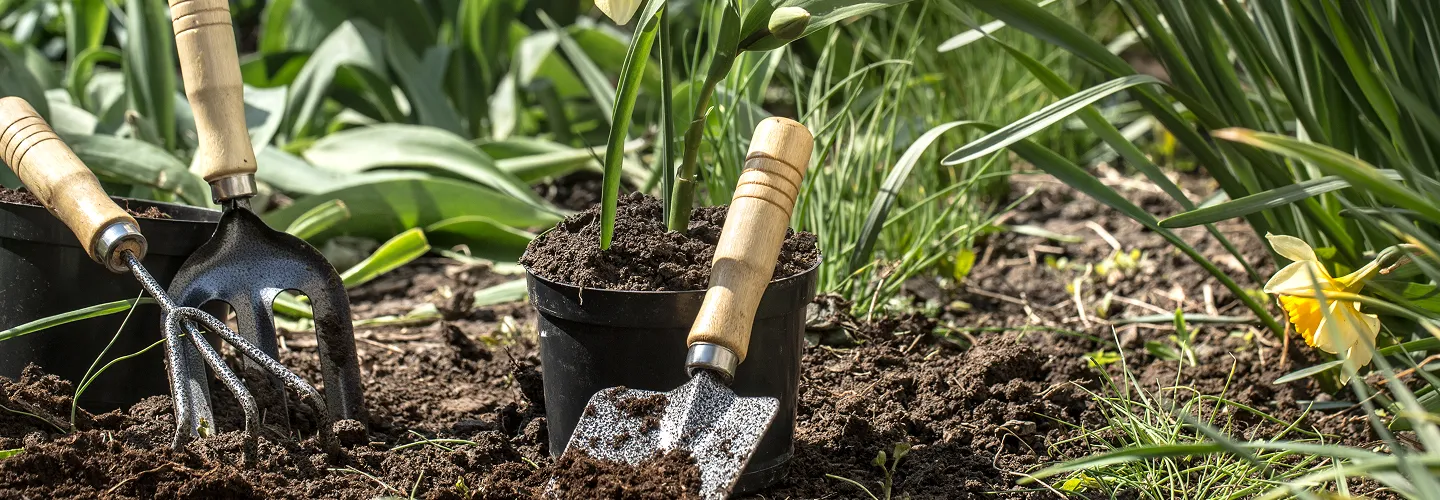
Orange Flower Bed Maintenance Services
Choose our Flower Bed Maintenance for expert care, vibrant blooms, and a hassle-free experience that keeps your garden looking its best season after season.
Get a Free QuoteOur Orange Landscaping & Yard Care Services
When to Schedule Flower Bed Maintenance in Orange, Connecticut – Seasonal Guide
In Orange, Connecticut, the best times for flower bed maintenance are closely tied to our unique climate and local landscape features. Spring, particularly late April through early June, is ideal for cleaning beds, refreshing mulch, and planting annuals, as the risk of frost typically passes after mid-May. Fall maintenance, from late September through October, is crucial for preparing beds for winter, removing spent plants, and amending soil. The town’s proximity to the Long Island Sound moderates temperatures, but neighborhoods near Racebrook Tract or the Orange Center Historic District may experience more shade and cooler microclimates, affecting plant growth and maintenance schedules.
Local environmental factors such as Orange’s well-drained glacial soils, periodic summer droughts, and high humidity levels can influence when and how often flower beds need attention. For example, areas with dense tree cover, like those near Wepawaug River, may require more frequent leaf removal and soil aeration. It’s also important to stay informed about municipal guidelines and resources, which can be found on the Town of Sudbury’s website, to ensure compliance with local landscaping regulations.
Local Factors to Consider for Flower Bed Maintenance in Orange
- Tree density and shade coverage (e.g., near Racebrook Tract)
- Soil type and drainage (glacial soils common in Orange)
- Seasonal precipitation and drought risk
- Proximity to landmarks or water bodies (Wepawaug River, Long Island Sound)
- Municipal restrictions or guidelines
- Terrain and slope of your property
Benefits of Flower Bed Maintenance in Orange

Enhanced Curb Appeal
Healthier Plants and Blooms
Weed and Pest Prevention
Seasonal Color and Variety
Professional Expertise
Time and Effort Savings

Orange Flower Bed Maintenance Types

Seasonal Mulching
-
Weed Control
-
Soil Amendment
-
Pruning and Deadheading
-
Irrigation Management
-
Fertilization Scheduling
-
Pest and Disease Monitoring
Our Flower Bed Maintenance Process
Site Evaluation
Weed Removal
Soil Preparation
Plant Care
Mulching
Why Choose Orange Landscape Services

-
Orange Homeowners Trust Us
-
Expert Lawn Maintenance
-
Reliable Scheduling
-
Competitive Pricing
-
Professional Team
-
Satisfaction Guarantee
-
Personalized Service
Orange’s Glacial Till Soils and Drainage Considerations for Flower Beds
Flower bed maintenance in Orange, CT requires careful attention to the town’s predominant glacial till soils, which are typically classified as Inceptisols and Ultisols according to the USDA Web Soil Survey. These soils are often rocky, moderately acidic (pH 5.5–6.5), and can exhibit poor drainage, especially in low-lying areas. For optimal plant health, it is recommended to incorporate 2–3 inches of compost tilled to a 6-inch depth and to conduct a soil test through UConn Extension (typical cost: $15–25). Lime applications may be necessary if pH falls below 6.0. Raised beds or amended planting areas are advised in locations with seasonal water tables within 12–18 inches of the surface. Species selection should prioritize plants tolerant of moderate acidity and variable drainage.
Municipal Collection and Disposal Protocols for Flower Bed Debris in Orange
Proper disposal of flower bed debris in Orange is governed by municipal collection schedules and local ordinances. Yard waste collection occurs every Thursday from April through November. Residents must use biodegradable bags or reusable bins (32-gallon maximum); plastic bags and branches over 4 inches in diameter are prohibited. Accepted materials include leaves, grass clippings, and brush under 4 feet in length. Debris should be placed curbside by 7:00 AM on collection day. For large quantities or off-schedule disposal, the town transfer station is available during posted hours. Compliance with these protocols helps prevent stormwater violations under the Clean Water Act and Orange’s MS4 permit.
Orange Department of Public Works
617 Orange Center Road, Orange, CT 06477
Phone: (203) 891-4712
Official Website: Orange Department of Public Works
Environmental Compliance: Wetland Buffers and Stormwater Protection in Orange
Flower bed maintenance near Orange’s wetlands, streams, and conservation areas must comply with both local and state environmental regulations. The Orange Conservation Commission enforces a standard 25-foot no-disturbance buffer from delineated wetlands, with a 50-foot setback for fertilizer or pesticide application. The Connecticut Environmental Protection Act and the town’s MS4 stormwater permit prohibit the discharge of soil, mulch, or plant debris into storm drains or water bodies. Residents are required to maintain vegetative buffers and avoid any soil disturbance within regulated areas. For properties adjacent to protected lands or watercourses, permit applications may be necessary for significant landscape alterations, with review periods typically 10–15 business days.
Orange Conservation Commission
617 Orange Center Road, Orange, CT 06477
Phone: (203) 891-4731
Official Website: Orange Conservation Commission
Seasonal Timing and Climate Zone Guidance for Flower Bed Maintenance in Orange
Orange is located in USDA Hardiness Zone 6b, with average annual minimum temperatures of -5°F to 0°F. The optimal window for planting and major flower bed maintenance is April 15–June 10 in spring and September 1–October 15 in fall. Soil temperatures should reach at least 50°F before planting perennials or annuals. Mulching is best performed in late April or early May, applying 2–3 inches of organic mulch to suppress weeds and retain moisture. Fertilization of established beds should occur in early May and again in September, avoiding applications during summer heat (June–August). For weather-specific scheduling, consult the National Weather Service New York, NY office, which provides local forecasts and frost advisories.
What Neighborhoods Do We Serve Throughout Orange, CT?
- Turkey Hill: Characterized by mature trees and sloped lots, requiring erosion control and careful debris management due to runoff toward local streams.
- Racebrook: Features larger properties with mixed sun and shade, often with compacted soils and drainage challenges near the Race Brook corridor.
- Silverbrook Estates: Newer development with well-drained soils but strict HOA landscaping guidelines and setback requirements for flower beds.
- Peck Place: Proximity to wetlands and conservation land necessitates adherence to buffer regulations and careful plant selection for moist soils.
- Lambert Road Area: Contains historic homes with established landscaping, narrow street access, and frequent shade, impacting plant choices and maintenance timing.
- Indian River Road Corridor: Close to the Indian River, requiring compliance with stormwater protection measures and restrictions on fertilizer use within buffer zones.
- Orange Center: Central location with a mix of residential and civic properties, moderate soil acidity, and high visibility, emphasizing aesthetic standards and regular upkeep.