
Orange Hedging Services
Choose our professional hedging services for precise, healthy, and beautifully maintained boundaries that enhance your property's curb appeal and value.
Get a Free QuoteOur Orange Landscaping & Yard Care Services
When to Schedule Hedging in Orange, Connecticut – Seasonal Guide
In Orange, Connecticut, the best times to schedule hedging are typically late spring and early fall. These periods offer moderate temperatures and consistent rainfall, which help shrubs and hedges recover quickly after trimming. The local climate, with its humid summers and cold winters, means that hedging too early in spring or too late in fall can expose plants to frost damage or stress from summer heat. Neighborhoods near the Racebrook Tract or along Grassy Hill Road often experience microclimates due to varying shade coverage and soil types, so timing may need to be adjusted accordingly.
Local environmental factors such as the risk of late spring frosts, summer droughts, and the well-drained soils common in the Turkey Hill area all play a role in determining the optimal hedging schedule. It's also important to consider municipal guidelines and any restrictions that may apply—residents can find more information on local regulations at the Town of Sudbury website. By understanding these Orange-specific factors, homeowners can ensure their hedges remain healthy and attractive throughout the year.
Local Factors to Consider for Hedging in Orange
- Proximity to wooded areas and tree density (e.g., near Wepawaug River)
- Soil drainage and type, especially in neighborhoods like Turkey Hill
- Average precipitation and risk of summer drought
- Frost dates and temperature swings in early spring and late fall
- Shade coverage from mature trees or nearby structures
- Municipal restrictions or neighborhood association guidelines
Benefits of Hedging in Orange
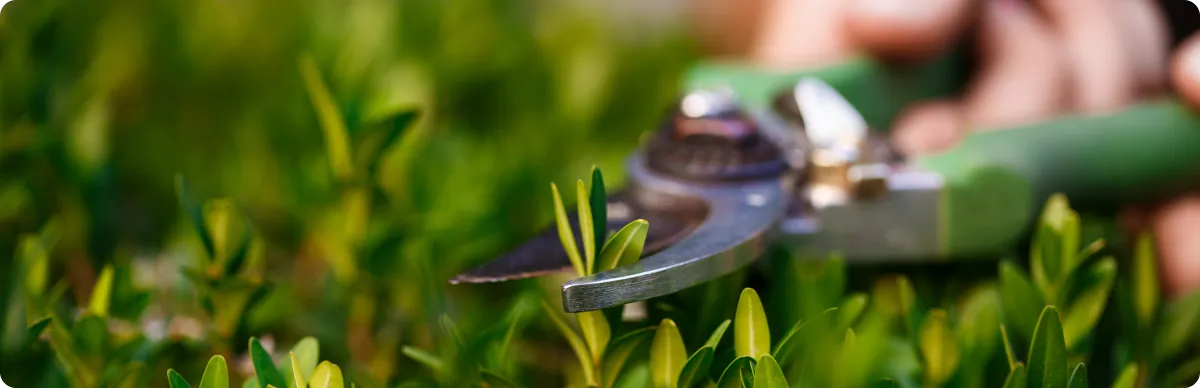
Expert Hedge Shaping
Enhanced Property Privacy
Improved Curb Appeal
Pest and Disease Management
Seasonal Maintenance Plans
Eco-Friendly Landscaping Solutions
Orange Hedging Types

Box Orange Hedge
-
Dwarf Orange Hedge
-
Sweet Orange Hedge
-
Sour Orange Hedge
-
Miniature Orange Hedge
-
Seville Orange Hedge
-
Blood Orange Hedge
Our Hedging Process
Consultation and Planning
Site Preparation
Precision Trimming
Cleanup and Inspection
Why Choose Orange Landscape Services
-
Orange Homeowners Trust Us
-
Expert Lawn Maintenance
-
Reliable Scheduling
-
Competitive Pricing
-
Professional Team
-
Satisfaction Guarantee
-
Personalized Service
Hedging and Buffer Zone Compliance Near Orange’s Wetlands and Waterways
Hedging activities in Orange, CT must adhere to strict buffer zone requirements when performed near wetlands, streams, and protected water bodies. The Orange Conservation Commission enforces a minimum 25-foot no-disturbance buffer from delineated wetlands, with hedgerow installation or removal within this area requiring a formal permit. Application fees typically range from $50 to $100, with a review period of 10-15 business days. All debris generated from hedging must be contained and disposed of according to municipal guidelines to prevent runoff into waterways, in compliance with the Connecticut Environmental Protection Act and the federal Clean Water Act. For properties adjacent to the Wepawaug River or Race Brook, additional restrictions may apply to protect riparian habitats.
Orange Conservation Commission
617 Orange Center Road, Orange, CT 06477
Phone: (203) 891-4731
Official Website: Orange Conservation Commission
Soil Series and Drainage Considerations for Hedging in Orange’s Glacial Till Landscapes
Orange’s predominant soils, including the Paxton and Montauk series, are characterized by glacial till, moderate to high stone content, and moderately acidic pH (5.5-6.5). These soils often exhibit poor to moderate drainage, with seasonal water tables at 12-24 inches. When establishing hedges, it is essential to:
- Amend soil with 2-3 inches of compost tilled to a 6-inch depth
- Conduct a soil test through UConn Extension (typical cost: $15-25)
- Apply lime if pH is below 6.0
- Select species tolerant of stony, compacted soils Spacing for dense hedgerows should be 18-24 inches between plants. For detailed soil mapping, consult the USDA Web Soil Survey. Proper site preparation reduces root stress and improves long-term hedge health.
Municipal Debris Collection and Disposal Protocols for Hedge Trimmings in Orange
Proper disposal of hedge trimmings is regulated by the Orange Department of Public Works. Curbside yard waste collection occurs every Thursday from April through November. Accepted materials include:
- Brush and branches under 4 feet in length and 4 inches in diameter
- Leaves and small clippings in biodegradable paper bags or 32-gallon reusable bins
- No plastic bags or oversized branches All materials must be placed curbside by 7:00 AM on collection day. Violations, such as improper container use or late placement, may result in fines. For large volumes, residents may utilize the town’s transfer station during posted hours.
Orange Department of Public Works
617 Orange Center Road, Orange, CT 06477
Phone: (203) 891-4712
Official Website: Orange Department of Public Works
Equipment Operation Hours and Safety Standards for Hedging in Orange
Hedging operations in Orange are subject to municipal noise ordinances and safety protocols. Permitted equipment operation hours are:
- Monday-Friday: 7:00 AM - 7:00 PM
- Saturday: 8:00 AM - 6:00 PM
- Sunday and holidays: Prohibited All powered equipment must be fitted with functional mufflers, and noise levels should not exceed 85 decibels at the property line. Operators are required to wear:
- ANSI Z87.1 safety glasses
- Hearing protection for equipment over 85 dB
- Steel-toed boots and cut-resistant gloves Maintain a 15-foot clearance from overhead utilities and public rights-of-way. For work near public roads or parks, coordinate with the Orange Department of Public Works for traffic safety measures.
Optimal Hedging Timing and Plant Selection for Orange’s Climate Zone 6b
Orange, CT is located in USDA Hardiness Zone 6b, with average annual minimum temperatures of -5°F to 0°F. The ideal window for planting new hedges is April 15 to May 30 or September 1 to October 15, when soil temperatures are between 50-65°F. Recommended species for Orange’s climate and soils include:
- Inkberry holly (Ilex glabra)
- American arborvitae (Thuja occidentalis)
- Winterberry (Ilex verticillata)
- Eastern red cedar (Juniperus virginiana)
- ‘Green Mountain’ boxwood (Buxus sempervirens) Plant 18-24 inches apart for dense screening. Avoid planting during summer heat (June-August) to reduce transplant shock. For additional guidance, consult UConn Extension and the USDA Plant Hardiness Zone Map.
What Neighborhoods Do We Serve Throughout Orange, CT?
- Turkey Hill: Features mature landscapes and larger lots with Paxton soils, requiring attention to drainage and root zone compaction during hedging projects.
- Race Brook: Proximity to Race Brook and associated wetlands means strict buffer compliance and frequent Conservation Commission oversight for hedge installation.
- Silverbrook Estates: Newer development with compacted fill soils and smaller lot sizes, necessitating careful species selection and spacing for privacy hedges.
- Peck Place: Contains a mix of historic homes and established trees, with stony glacial till soils and moderate shade, impacting hedge growth rates.
- Derby-Milford Road Corridor: High-traffic area with overhead utilities and narrow rights-of-way, requiring adherence to safety clearances and noise ordinances during trimming.
- Orange Center: Central civic area with public parks and community facilities, where hedging near public spaces must coordinate with municipal maintenance schedules and standards.
- Indian River Area: Close to conservation lands and flood-prone zones, demanding flood-tolerant species and compliance with wetland buffer regulations.